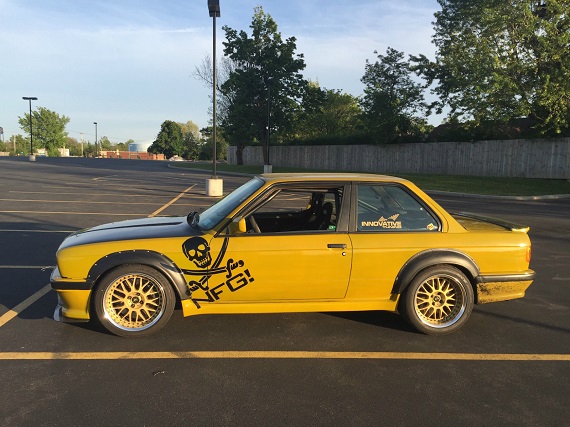
This isn’t the first time I’ve written up sacrilegiously swapped cars, so it’s probably no surprise to see two Japanese-powered BMWs pop up. And in each of their own ways, neither is on the surface, at least, a car we’d typically cover. But before you judge a book by its cover, are either of these cars executed well enough to be a neat package?
German Cars For Sale Blog Posts
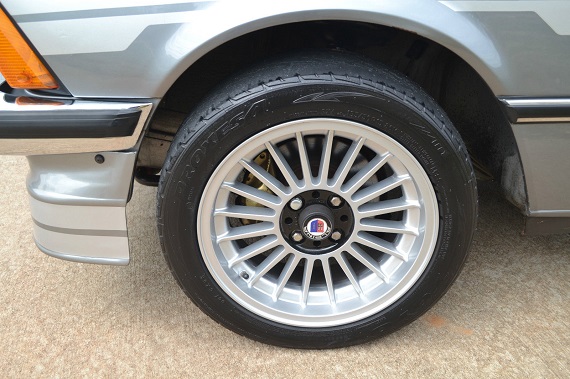
After a few months being listed for sale, it appears that the seller of the unique Alpina modified Euro-spec E21 320i has become a bit more realistic and the car’s asking price has dropped from $24,000 to $15,000. That seems more in line with top-of-the-market 320i sport models and makes it a much more compelling alternative to the more typical modified E30 crowd:
CLICK FOR DETAILS: 1982 BMW 320i Alpina on eBay
The below post originally appeared on our site March 24, 2015:
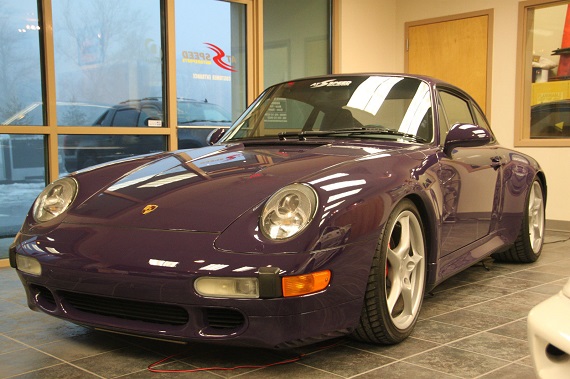
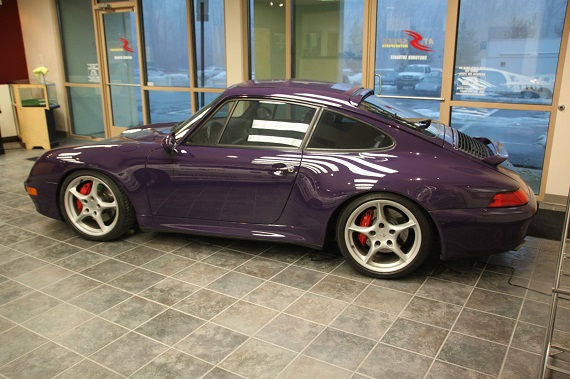
3 CommentsI have been enjoying my romp through the Porsche paint spectrum and I will continue with that theme with today’s car. Love or hate these colors, I think we can all agree that Porsche does an excellent job of keeping interesting options available to allow customers to set their cars apart from the many silver, black, white, and red vehicles of the world. On the air-cooled market these cars can be particularly noteworthy. This brings us to the car we see here, another paint-to-sample color that certainly will not appeal to everyone, but which we so rarely will ever come across: an Amaranth Violet 1996 Porsche 911 Carrera 4S, located in Maryland, with 43,000 miles on it. Like the last paint-to-sample car I featured the original buyer selected a previously available color for this Carrera so there should be a sticker to verify the color itself. Any shade of purple is rare on a car and its variants make up some of the fewest offerings Porsche has made available. There is one consistent feature amongst them: they are incredibly eye catching. Like with orange, there is almost no subtlety to these cars and draped over the curvy figure of the 993 C4S Amaranth Violet should attract even more attention.
CLICK FOR DETAILS: 1996 Porsche 911 Carrera 4S on eBay
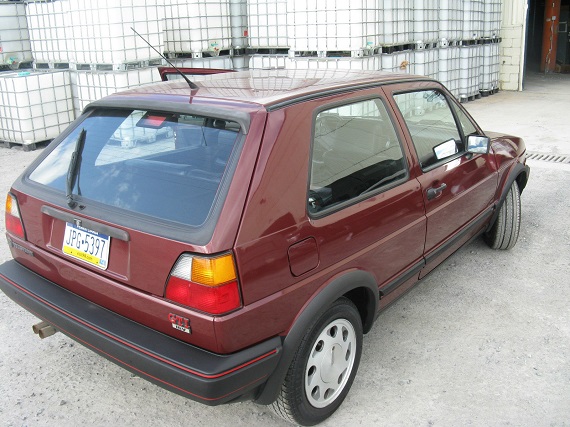
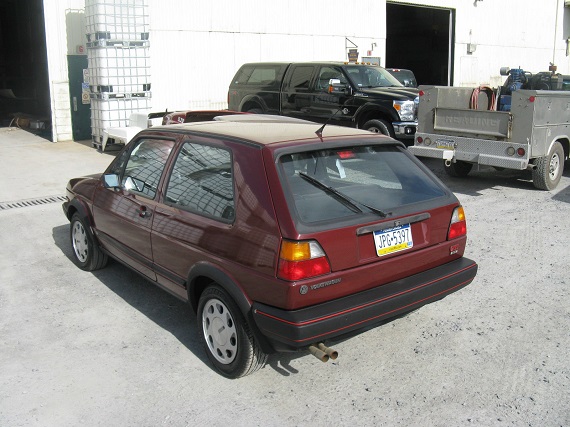
3 Comments1987 saw some serious upgrades for the original “Hot Hatch” GTi. Externally, you’d have to be a seriously devoted Volkswagen fan to pick them all out. The body and trim remained effectively the same as they had been in 1985 and 1986, but new “Teardrop” alloys replaced the leftover “Snowflake” (also known as “Avus”) and “Bottlecap” (also known as “Montreal”) wheels that had adorned the earlier models. Squint closely at the front, and a new deeper chin spoiler sat under the bumper with two brake ducts. The GTi sported a new spiky hairdo as well, with a new roof-mounted Fuba antenna which would become signature for the model going forward. But the change that enthusiasts really liked was under the hood, where eight more valves made their appearance on the venerable 1.8 mill that had powered the GTi. That new motor was announced on every side of the car with new “16V” badges adorning the front, rear and side trim. Horsepower increase was relatively modest – about 13 more horsepower over the high-compression 8V that the car ran in 1985 and 1986. But the letters DOHC were magical pixie dust for wannabe racers in the 1980s, and the entered you into the coolest club out there – Club Twin Cam. Everything sprouted Twin Cams in the 1980s, but it brought the GTi up a notch in performance to compete with the new crop of Hot Hatches it had helped to sprout. 0-60 was now achieved in under 8 seconds – a serious feat for an economy car at that time. The new 16V GTis would be available – as before – in only four colors; Diamond Silver Metallic, Dark Blue Mica, signature Tornado Red or my favorite, Red Pearl Mica (LE3P) that this low mileage example is shown in:
CLICK FOR DETAILS: 1987 Volkswagen GTi 16V on eBay
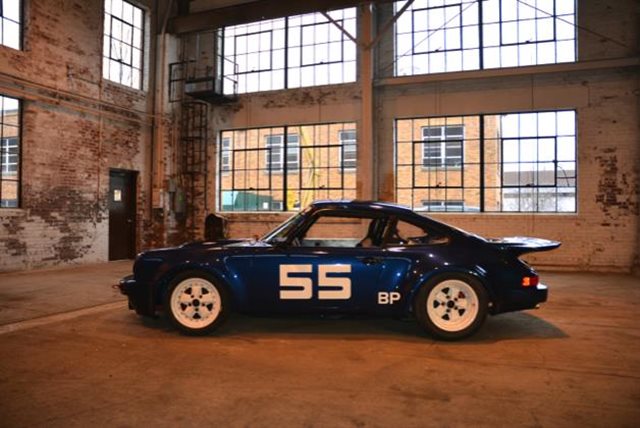
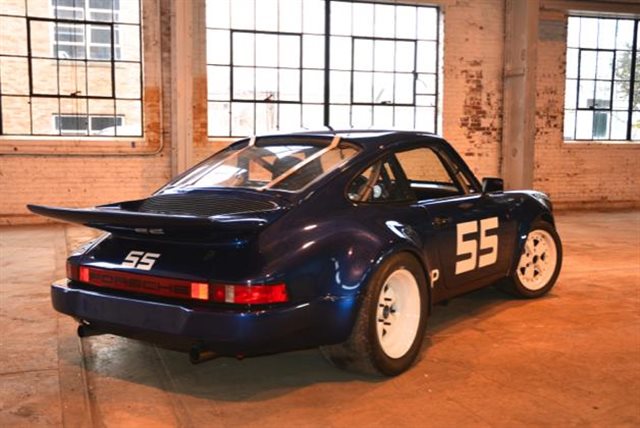
2 CommentsGetting into the world of historic Porsche race cars is fairly easy. All you really need to do is have a seriously large bank account, and virtually any day of the week a historically important factory race car will be for sale somewhere in the world. What that means most recently in the market is that when you’re viewing those great classic 911 silhouettes from Spa and Le Mans to Laguna Seca and Watkins Glen at classic motorsports events is that you’re looking at – at minimum – multi-hundred thousand dollar vehicles with multi-hundred thousand dollar restorations being run on liquified trust funds. The costs of running vintage cars hard are simply staggering. However, there’s a second tier of vehicles that gets you accepted into the lofty Elysium of vintage racers – period cars that were run by privateers. Today’s 911S is one such car; built in period and raced against the full factory efforts, it has some pretty significant names and achievements attached to it: