Press "Enter" to skip to content

128 search results for "e21"

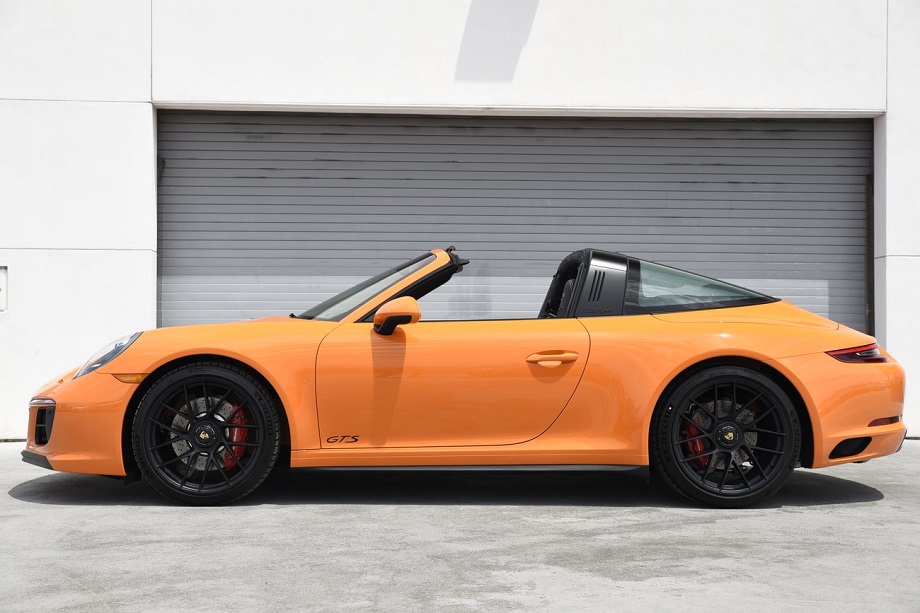
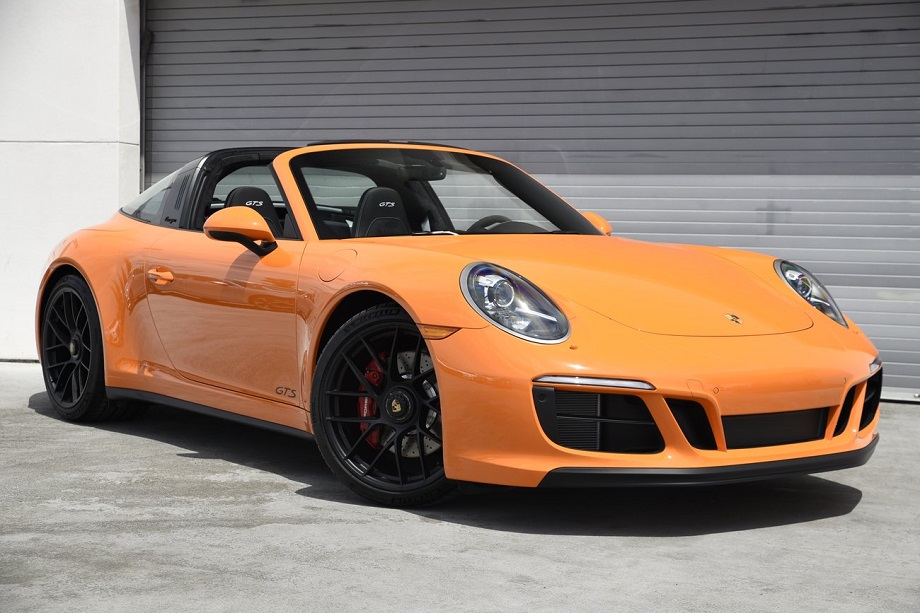
Pastel Orange 2018 Porsche 911 Targa 4 GTS

The 991 Targa is a stunning car. There aren’t a lot of them so I don’t get a chance to see them often, but recently I walked past one parked on the street that made me stop. It was totally blacked out so it had that sinister Darth Vader vibe about it and looked great. I have always been a 911 Targa fan and there is something about the 991 Targa that appeals to me more than the design of the Coupe. Perhaps I just like the utility more of the open roof so I’ve convinced myself it’s a prettier car, or perhaps it’s the slightly different lines created by that open roof and larger rear window. Whatever it is I’m now fully on board and find myself keeping an eye out for them more and more.

So it should come as no surprise that this paint-to-sample Pastel Orange 2018 Porsche 911 Targa 4 GTS caught my eye. It’s new so there shouldn’t really be any questions and while that also means you could simply build your own and get it exactly how you’d like, getting a PTS allocation isn’t necessarily easy and this one is here now and ready to drive.

CLICK FOR DETAILS: Pastel Orange 2018 Porsche 911 Targa 4 GTS on Rennlist

1 Comment

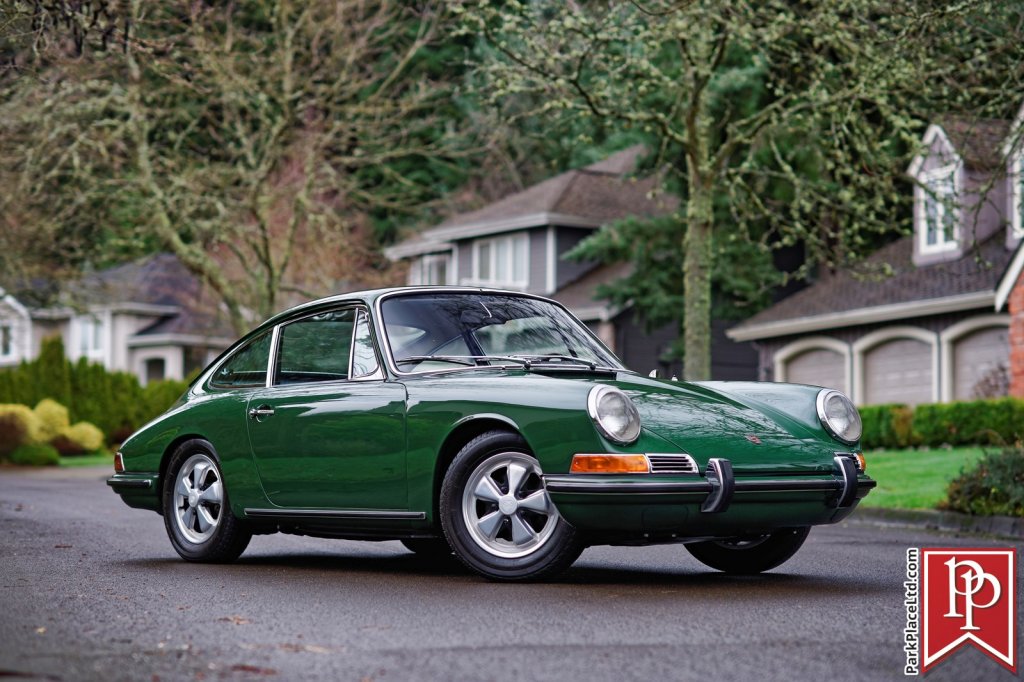
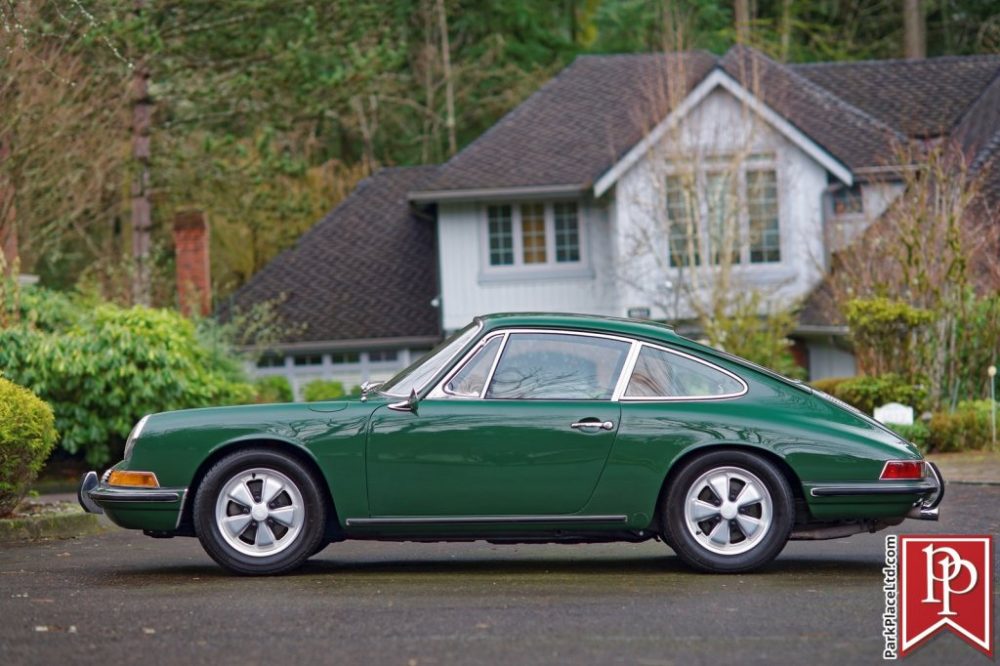
1967 Porsche 911S Coupe

While the number of 911 models Porsche produces has grown considerably over the years, catering to just about every possible combination you can conceive, a consistent moniker has stood out for those seeking higher performance: the S. Whether the 911S, the Carrera S, the Turbo S, or the various RS models (those count right?) that single letter has let buyers know that it would be a model catering more to their spirited side rather than to comfort. While the S was on hiatus during the late-70s and all of the ’80s it returned in Turbo S form (and Carrera RS form) for the 964 and then finally found itself reattached to the Carrera itself with the Carrera S and 4S, both of which debuted as part of the 993 line. It hasn’t left us since.

But it began here, in 1967, with the 911S. In the ’60s, buyers initially only had access to the base 911. That was it, one choice. In 1967 the lineup expanded with the addition of the 911S and the Soft-window Targa, available both in S trim and without. The S brought with it the sort of features we’d expect: More power (up to 160 hp from the base 911’s 130), upgraded shocks and brakes, along with a rear anti-roll bar and Fuchs wheels. Leatherette on the dash and wheel provided interior upgrades. The 911 had become sportier. And then it wasn’t. For 1968 Porsche gave us the 911L and removed the S from the US lineup. Thankfully, 1969 saw its return, now placed above the entry-level 911T and mid-grade 911E, and all 911s had a longer wheelbase.

That makes the one-year-only short-wheelbase 911S a pretty special car and here we find one for sale: an Irish Green 1967 Porsche 911S Coupe, located in Washington, with a reported 29,177 miles on it.

CLICK FOR DETAILS: 1967 Porsche 911S Coupe on eBay

3 Comments

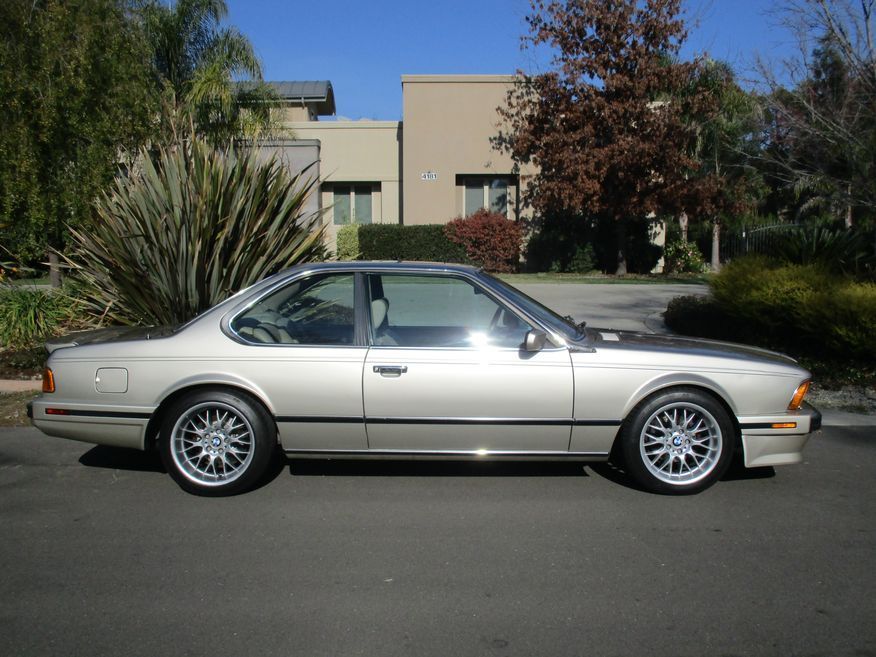
1989 BMW 635CSi

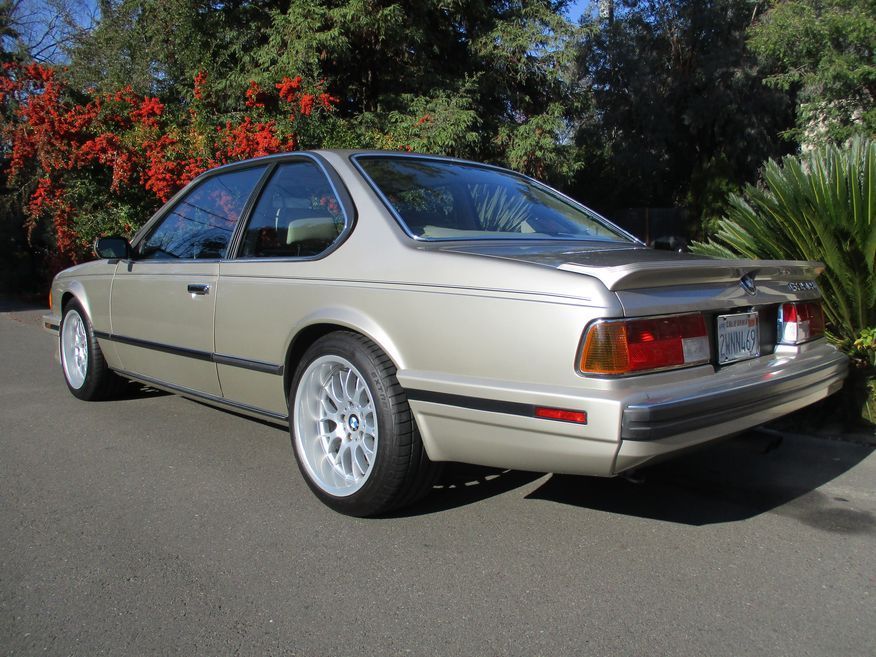
Just as Rob’s first 911 experience was a Targa and he consequently always has a soft spot for them, my formative BMW experience was my father’s first foray into German automobiles. I was a young teenager when he purchased a 1982 633CSi. Coming from a family that had otherwise had only Toyotas, the 633CSi looked, felt and went in exotic ways I could never have imagined. The tactile sensations remain with me; the bark of the exhaust, the smell of the leather, how unbelievably small and uncomfortable that rear seat was.

He later followed up the 633 with a 1985 635CSi. Though outwardly the only change was larger wheels and the front air dam with integrated spoiler, it felt much more modern. I didn’t know it at the time, but of course that’s because it was – underneath, the E24 had moved to the E28 bits and that really did make a difference when you drove the two back to back. But BMW wasn’t done updating the dinosaur from the 70s quite yet.

1988 saw a host of further upgrades to the chassis even as its planned successor 8-series was completed on the drawing board computer. Inside the car got an airbag steering wheel, while outside saw revisions to the headlights and bumper caps. But the bigger news was under the hood, where the M30B35 replaced the B34. Moving from the 3.2 to 3.4 motor between the 633 and 635 change had netted only 1 more horsepower for the shark, though it did have more torque. However the newly updated 3.4 really did up performance a few ticks. Now with 208 horsepower and 214 lb.ft of torque, the last of the E24s were the best non-M you could buy in terms of luxury, performance and drivability. It’s no surprise, then, that they’re also generally the most valuable outside of the M range, and this 1989 has been offered with no reserve to the delight of many bidders:

CLICK FOR DETAILS: 1989 BMW 635CSi on eBay

Comments closed

GCFSB Alumnus: 1982 BMW 745i

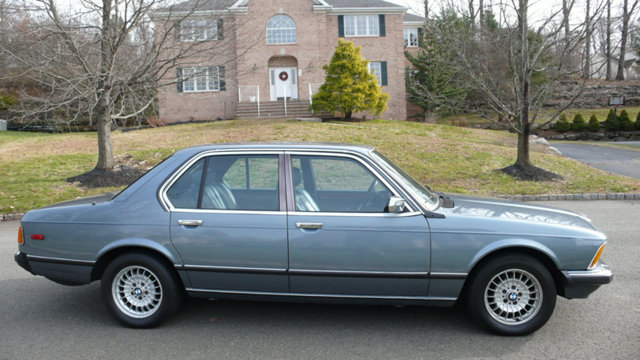
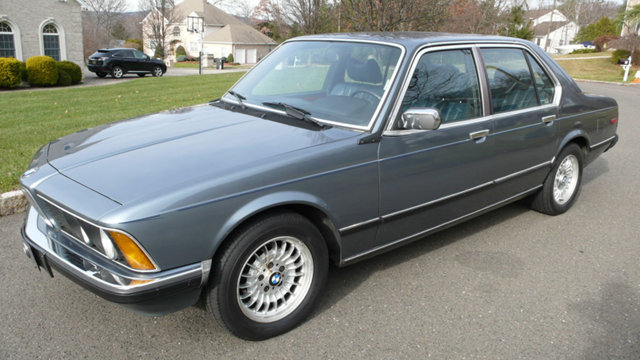
In a star-studded lineup from the 1980s, the BMW E23 certainly seems to be always the bridesmaid. I’d wager that even the E21 is more popular than the first 7-series, and that’s saying something. It doesn’t help that the 7, while bearing a resemblance to the other great Paul Bracq designs from the period, never quite seems to be in the right proportions – especially in U.S. form. But today’s example isn’t a U.S. spec model, it’s the more desirable and much more pleasant to look at European model. On top of that, it’s the turbocharged M102 under the hood, cranking out 252 ///Mvious horsepower and 280 lb.ft of torque to match. That was enough to propel the heavy, automatic 745i to 60 mph in the mid-7 second range and 137 mph flat out – numbers that made its competition envious. It’s got lower mileage, condition is great, and overall it appears to be a very nice example. The rarity and obscurity of the model in some part outweighs the less desirable nature of the large chassis among collectors. Yet this car has failed to sell for not one, not two, but now going on five years.

So what gives? Well, there’s only one reason that a car doesn’t sell, and it’s price. The seller of this car has had it for sale on and off again since 2013. We last looked at it almost exactly one year ago:

1982 BMW 745i Euro-spec

Perpetually, bidding runs out of steam between $5,000 and $6,000. That number seems far short of what the seller is hoping for, but we never learn much about what that amount is. A few weeks ago, the seller tried Bring A Trailer. The result? $5,000 in bids. So here we are again, a bit like Groundhog Day, with a new auction for this very nice example of an early 7:

CLICK FOR DETAILS: 1982 BMW 745i on eBay

2 Comments

1987 Volkswagen Scirocco 16V

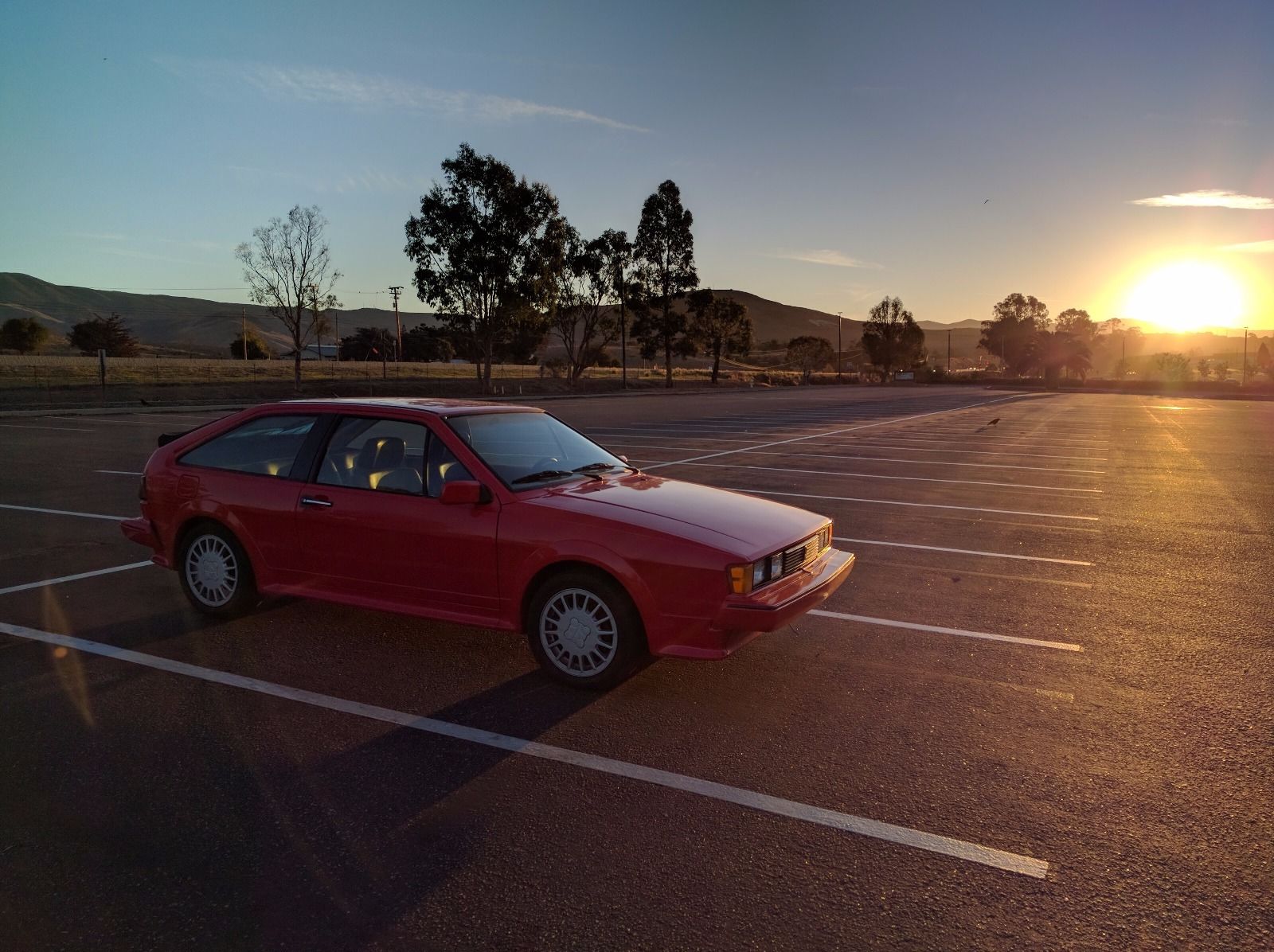
How can you talk about 1980s Volkswagens and not mention the Scirocco? Karmann’s lift of the Giugiaro Asso di Picche, Asso di Quadri and Asso di Fiori designs was plainly evident, but that they were borrowed really should come as a surprise. After all, the reception to the master Italian designer’s other pens – the Golf, first generation Scirocco, Audi 80 (4000) and Coupe GT firmly established both companies in the public limelight. In the case of Volkswagen, it defined a company emerging from the shadow of the air-cooled generation; for Audi, it modernized designs and capitalized on the success of the 100 lineup in the 1970s. But Karmann had been integral in the production of the first two as well, making an easy transition from ItalDesign to Volkswagen’s go-to special production for the second generation Scirocco.

But while the design was all grown up and modern for the 1980s, the underpinnings were the same; little changed dynamically between the 1981 and 1982 model year, and though upgrades came over the next few years with higher-spec trim and a bit more power, it wasn’t until 1986 that VW coupe fans finally got to rejoice as the addition of the PL 1.8 liter dual-cam inline-4 finally joined the lineup. Now with 123 high-revving horsepower, the Scirocco went a bit more like the wind it was named after. The wide-ratio, economy-minded gearbox of yore was gone too, replaced by a close-ratio gearbox. Like the GTI and GLI, 14″ ‘Teardrop’ wheels and a new bodykit heightened the boy-racer appearance, and the 16V models got all matchy-matchy before the Golf and Jetta, too, with body-colored painted bumpers.

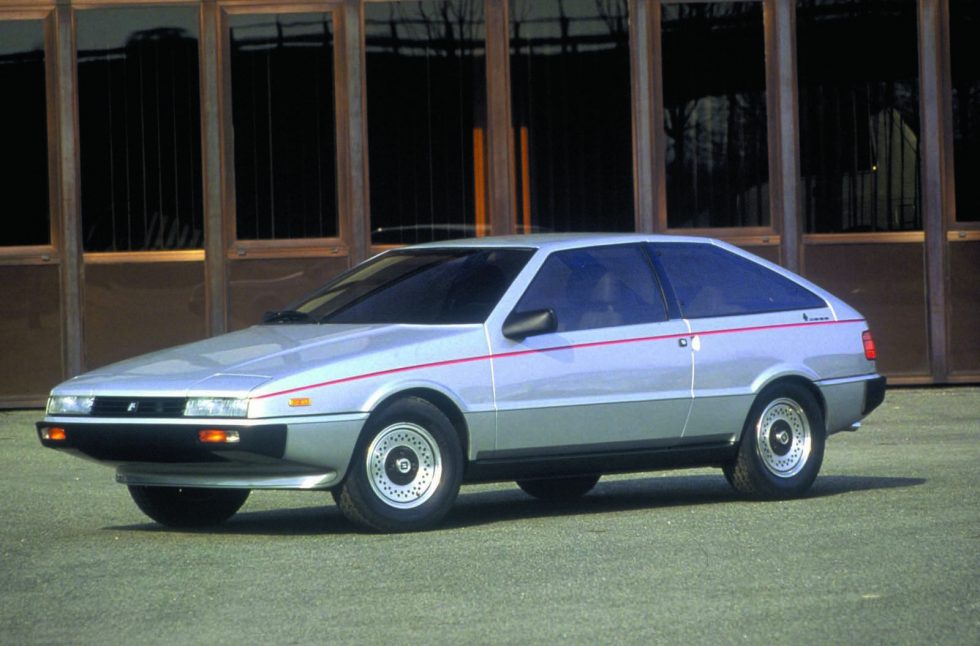
Perhaps this was a shot across the bow of the other Giugiaro-designed, sporty 2-door coupe on the market – the Isuzu Impulse Turbo. Because as much of a VW nut as I am, let’s be honest – the Impulse was cooler. It had much better integrated bumpers, for example, and looked even MORE modern than the Scirocco. And it had cooler wheels. And it had a turbo, and as neat as having dual cams was, having a turbo got you into pants in the 1980s. While it only had one cam, the intercooled 4ZCI was good for 140 horsepower in 1985. That power was channeled through the back wheels, too, with near perfect weight distribution. To top all of that off, in 1987 you could get the “RS” model which was painted all white – yes, even the wheels. My ‘87.5 Coupe GT Special Build was even jealous. They came fully loaded with electronic gizmos, and mostly unlike the VW, they worked. Then, as if that wasn’t enough, GM links created the “Lotus Tuned Suspension” package for the 1988 model year. If one of these rolled up to the party you and your Scirocco were at, you were going home lonely (and, slower).

But this isn’t “low-production Japanese cars for sale blog”, so we’ll look at the Scirocco.
CLICK FOR DETAILS: 1987 Volkswagen Scirocco on eBay

3 Comments

Can't find what you're looking for? Try refining your search: